Polynucleotides vs Skin Boosters: Profhilo, Hydromax, Sunekos and Redensity 1. Explained by an Aesthetic Pharmacist
n modern aesthetic medicine, the conversation has shifted decisively away from chasing lines and volume, and towards skin quality as the true marker of youthfulness. Patients today are more informed, more discerning, and increasingly interested in treatments that work with the biology of their skin rather than against it.
At Aesculus Clinic in New Malden, this philosophy underpins every consultation. Among the most discussed regenerative treatments are polynucleotides and skin boosters such as Profhilo, Hydromax, Sunekos and Redensity 1. While these injectable treatments are often grouped together online, they differ profoundly in their mechanism of action, ideal indications, and long-term skin benefits.
Understanding these distinctions is essential to making an informed, personalised choice.
The Evolution of Injectable Skin Regeneration
Injectables were once synonymous with volume and muscle relaxation. Today, the most advanced treatments focus instead on cellular signalling, hydration dynamics, and tissue repair.
Rather than altering facial movement or structure, regenerative injectables aim to:
Improve skin texture and elasticity
Restore luminosity and hydration
Strengthen the dermal matrix
Support long-term skin resilience
This is where both polynucleotides and skin boosters excel—yet they do so through very different biological pathways.
Polynucleotides as Cellular Repair and Regeneration
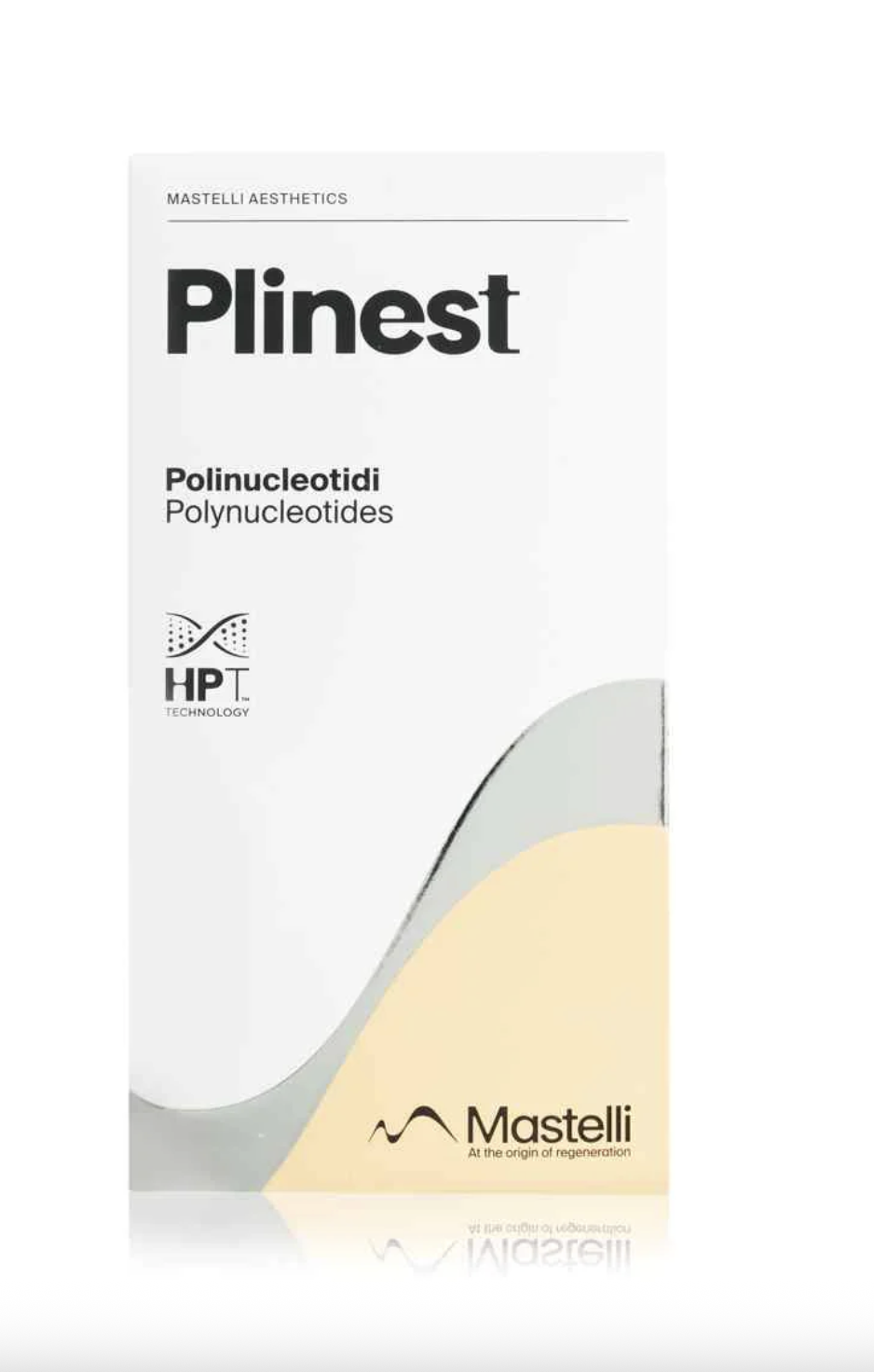
Polynucleotides represent one of the most exciting developments in regenerative aesthetics. Derived from purified DNA fragments, these molecules act as biostimulators, communicating directly with skin cells to enhance repair and renewal.
Once injected, polynucleotides:
Stimulate fibroblast activity
Improve collagen and elastin synthesis
Enhance tissue healing and antioxidant defence
Strengthen the extracellular matrix
Rather than simply hydrating the skin, polynucleotides improve how skin behaves at a cellular level.
As Asmaa Ismail often explains, “Polynucleotides are not about instant glow. They are about restoring skin health where it begins — at the level of the cell.”
Ideal Skin Concerns for Polynucleotides
Polynucleotides are particularly suited to:
Fragile, crepey, or thinning skin
Under-eye laxity and darkness
Post-inflammatory or acne-damaged skin
Early signs of ageing where resilience is compromised
Skin recovering from stress, illness, or over-treatment
Results develop gradually, with improvements in skin strength, elasticity, and texture becoming more apparent over several weeks.
Skin Boosters as Advanced Dermal Hydration
Skin boosters occupy a different yet equally important space in aesthetic medicine. Their primary function is to deeply hydrate the dermis, improving smoothness, luminosity, and overall skin comfort.
Unlike traditional dermal fillers, skin boosters do not aim to add volume or contour. Instead, they disperse evenly within the skin to support hydration and collagen quality.
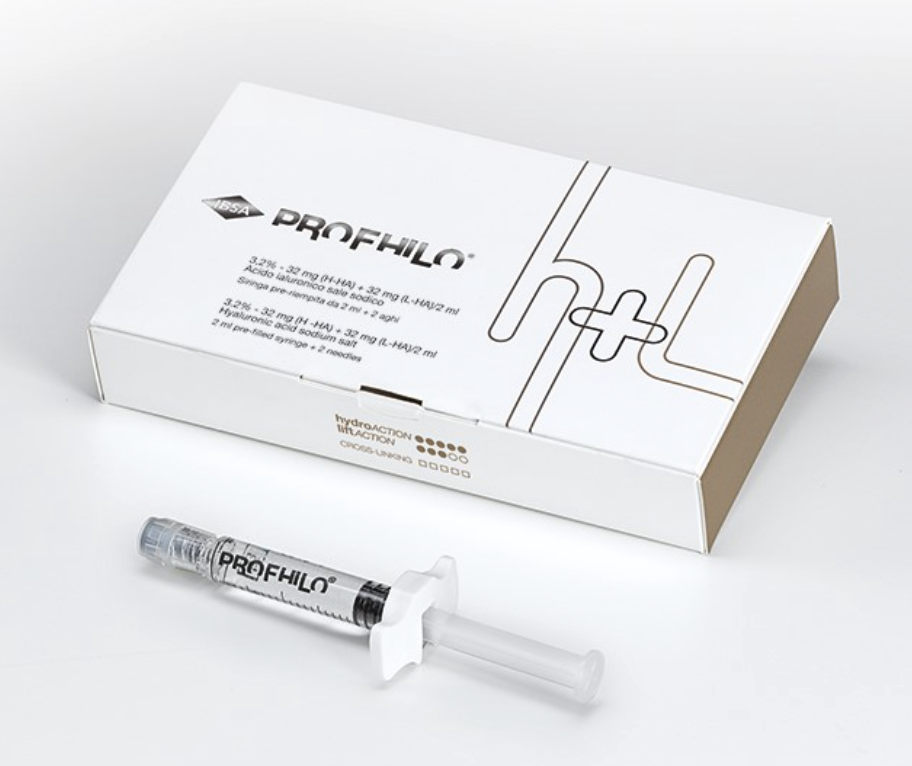
Profhilo and Bio-Remodelling from Within
Profhilo is often described as a bio-remodelling injectable due to its unique formulation of high- and low-molecular-weight hyaluronic acid.
Rather than sitting in one place, Profhilo spreads extensively through the tissue, triggering:
Collagen stimulation
Elastin production
Improved skin laxity and firmness
The result is skin that appears firmer, smoother, and subtly lifted, without looking treated.
Profhilo is particularly effective for:
Early to moderate skin laxity
Dull, tired-looking skin
Loss of firmness in the face, neck, or décolletage
Its appeal lies in its ability to deliver visible improvement while maintaining absolute naturalness.
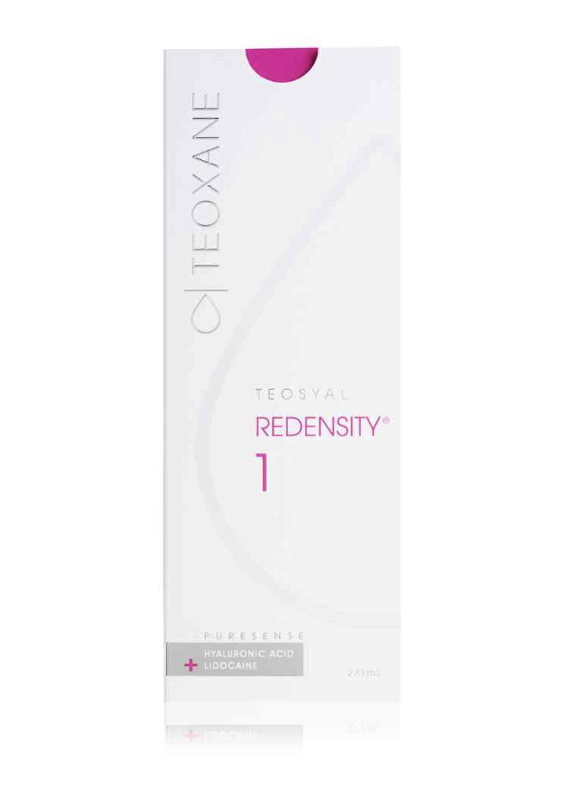
Redensity 1 and Precision Hydration
Redensity 1 takes a more targeted approach to skin quality. Combining non-crosslinked hyaluronic acid with amino acids, antioxidants, vitamins, and minerals, it works as a dermal revitaliser.
Rather than bio-remodelling, Redensity 1 focuses on:
Deep hydration
Improved skin tone and luminosity
Support for collagen synthesis
Enhanced antioxidant protection
This makes it particularly suitable for:
Dehydrated or environmentally stressed skin
Fine lines caused by dryness
Younger skin needing prevention rather than correction
The effect is refined, refreshed, and radiant — ideal for patients seeking skin optimisation rather than transformation.
Polynucleotides vs Skin Boosters: Understanding the Differences
While all three treatments improve skin quality, the distinction lies in how they achieve this.
Polynucleotides work by repairing and strengthening skin from a cellular perspective, making them ideal for compromised or fragile tissue. Skin boosters, by contrast, focus on hydration, elasticity, and collagen support, offering faster visible glow and smoothness.
At Aesculus Clinic, these treatments are often viewed as complementary rather than competing. In carefully planned protocols, polynucleotides may be used to rebuild skin health, followed by Profhilo or Redensity 1 to enhance hydration and luminosity.
This layered approach reflects a broader philosophy: skin should be nurtured, not rushed.
Treatment Selection Through Personalised Assessment
Choosing between polynucleotides, Profhilo, or Redensity 1 is not about trends or social media popularity. It is about skin behaviour, lifestyle, and long-term goals.
During consultation at Aesculus Clinic in New Malden, factors considered include:
Skin thickness and elasticity
Hydration levels
Inflammatory history
Previous aesthetic treatments
Desired pace of results
Asmaa Ismail emphasises, “True skin rejuvenation is never one-size-fits-all. The most elegant results come from precision, patience, and respect for individual biology.”
Which Treatment Is Right for You?
Polynucleotides rebuild and repair skin at a cellular level
Profhilo improves firmness and elasticity through bio-remodelling
Redensity 1 delivers refined hydration, radiance and collagen synthesis.
Each has a distinct role within evidence-based aesthetic care, and when used thoughtfully, they elevate skin quality without compromising authenticity.
Frequently Asked Questions
Are polynucleotides better than Profhilo?
They are different rather than better. Polynucleotides focus on cellular repair, while Profhilo targets hydration and skin laxity.
Can polynucleotides and skin boosters be combined?
Yes. Combination protocols are often used to maximise both skin strength and hydration.
How long do results last?
Results vary, but most protocols involve a course of treatments with maintenance every 6–12 months depending on skin needs.
Is Redensity 1 suitable for sensitive skin?
Redensity 1 is generally well tolerated and ideal for dehydrated or stressed skin when prescribed appropriately.
Do these treatments add volume?
No. Polynucleotides and skin boosters improve skin quality without altering facial structure.
When will I see results?
Skin boosters offer quicker visible glow, while polynucleotides deliver progressive improvement over several weeks.
A Refined Approach to Skin Health in New Malden
At Aesculus Clinic, regenerative injectables are never offered in isolation. They are part of a considered, long-term skin strategy, grounded in pharmacological knowledge, aesthetic artistry, and patient trust.
If you are exploring polynucleotides, Profhilo, or Redensity 1 and would like expert guidance, a personalised consultation offers clarity, confidence, and a pathway tailored entirely to your skin.
Begin your journey with precision, discretion, and care.