
Exosomes for Skin and Hair
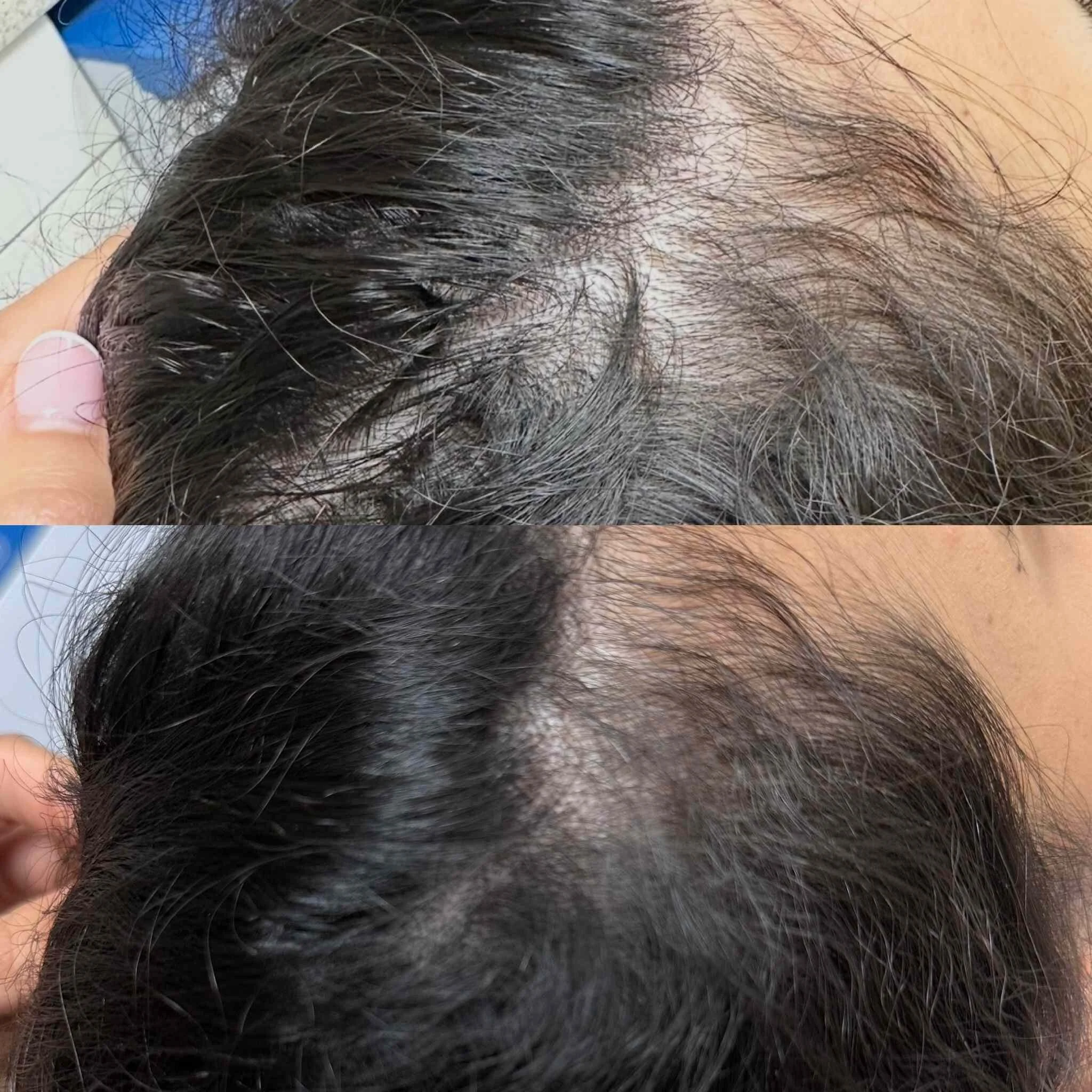
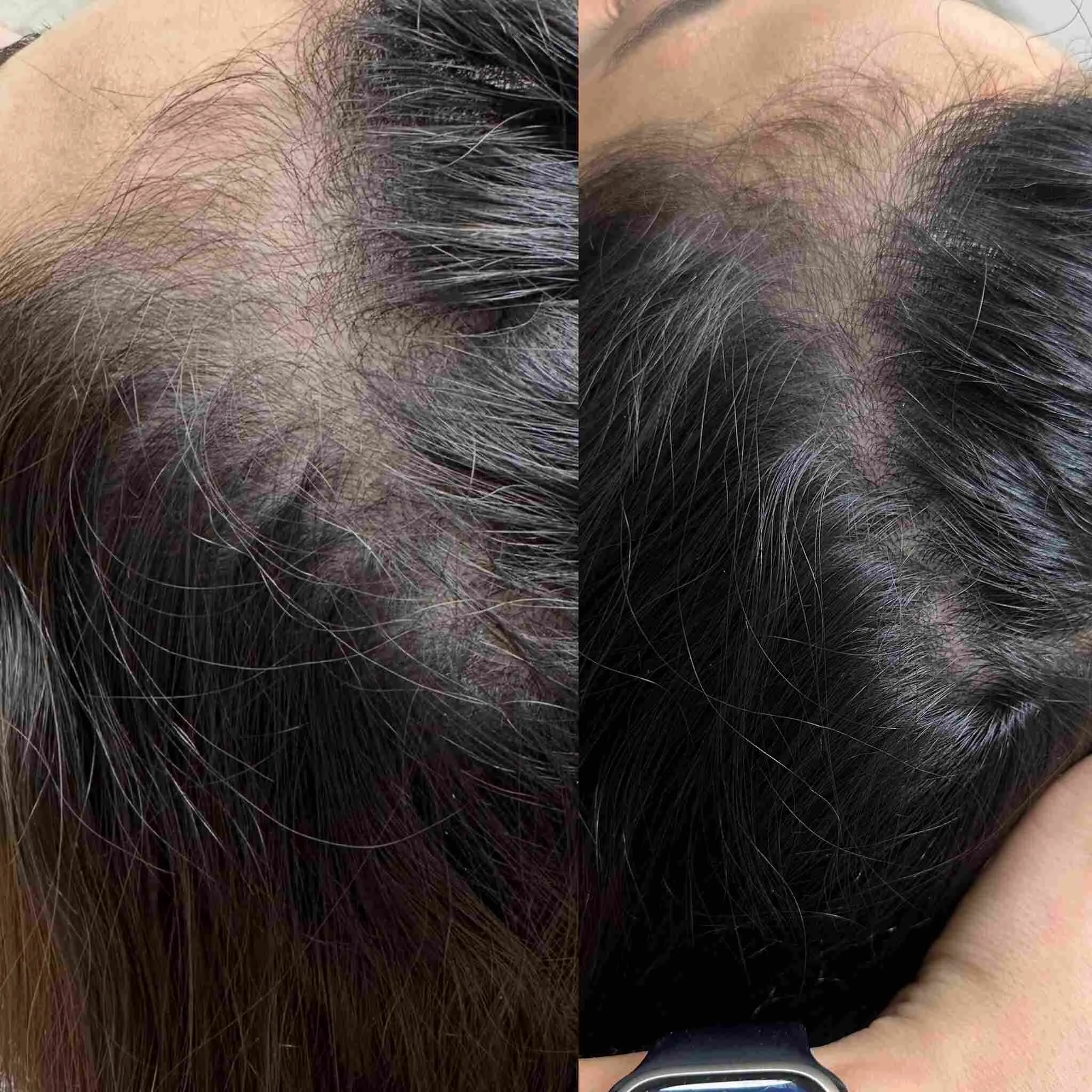
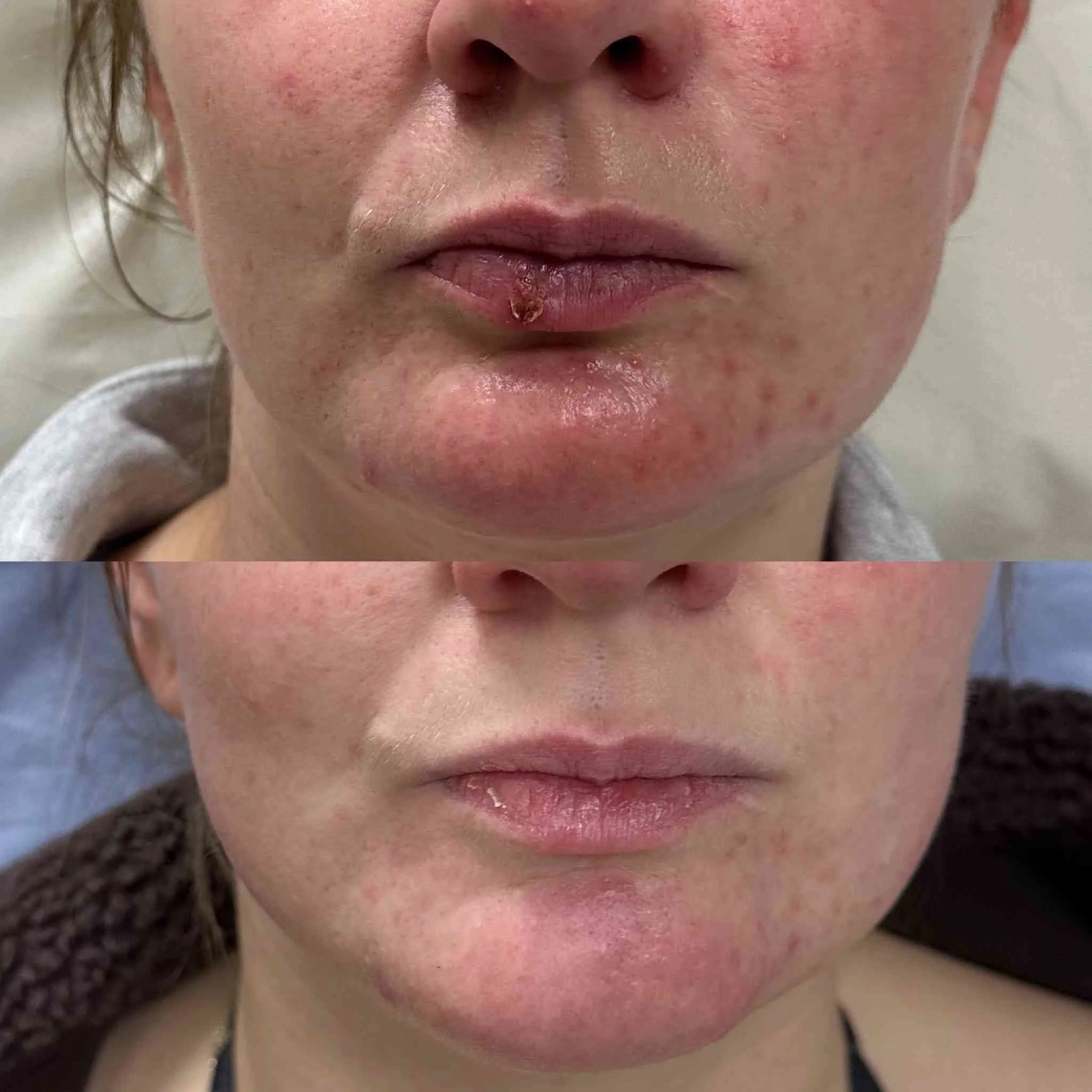
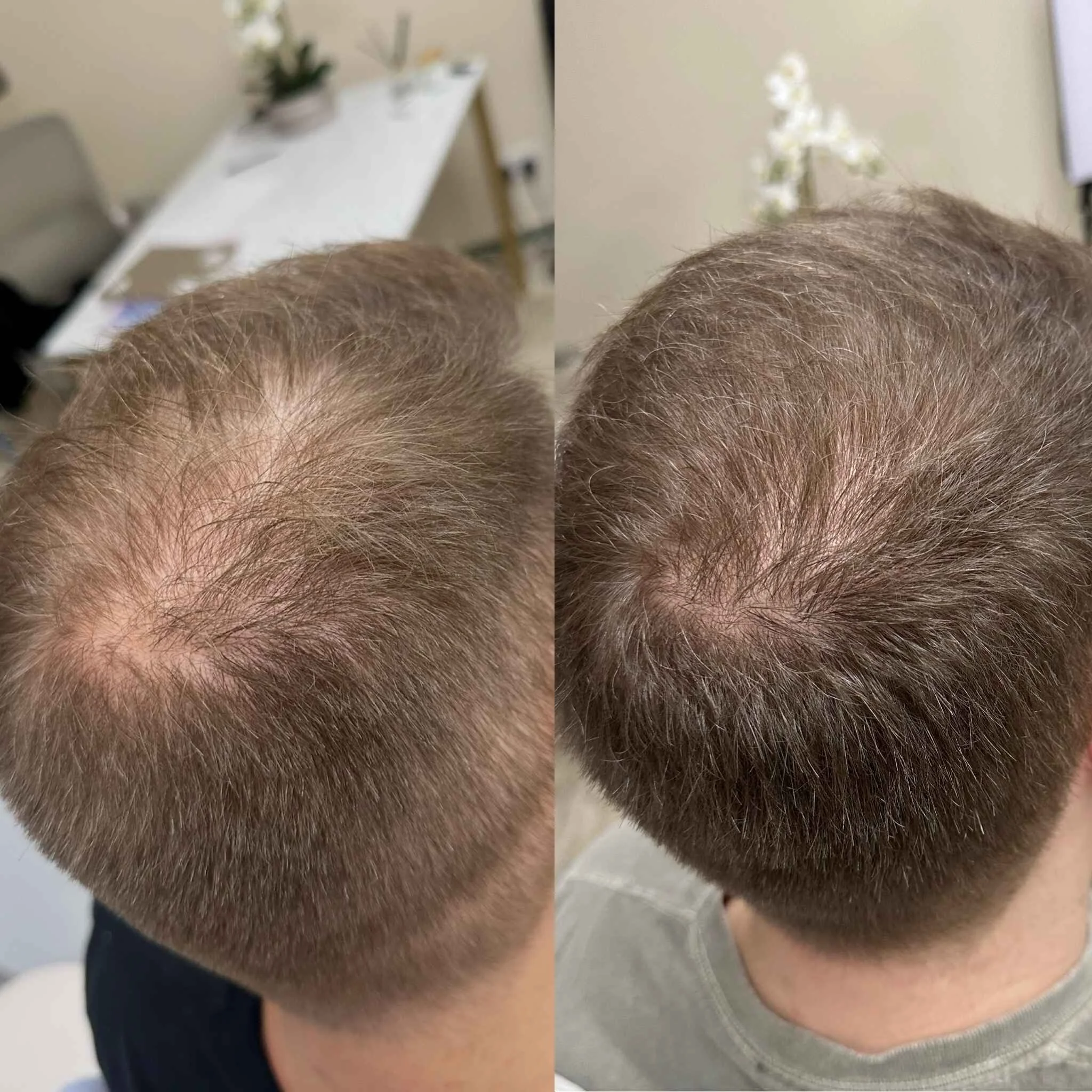
Exosomes for Skin and hair
Regenerative aesthetics is moving away from simply changing how we look and towards treatments designed to support skin quality, repair and healthy ageing. Exosomes are part of this evolving field.
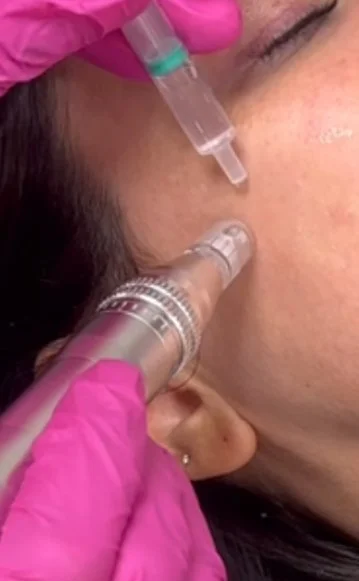
At Aesculus Clinic, we offer Exosome Treatment in New Malden as part of a personalised approach to skin rejuvenation and hair restoration. Exosome-based products contain extracellular vesicles involved in cell-to-cell communication and are increasingly being incorporated into regenerative aesthetic protocols. For the skin, exosomes may be incorporated alongside procedures such as microneedling to support recovery and overall skin quality.
For the scalp, exosome treatments may be considered as part of a wider approach to hair thinning and hair restoration, following an appropriate assessment.
Our philosophy is simple: regenerative treatment shouldn't be chosen because it is new or trending. It should be selected because it is appropriate for your skin, scalp and treatment goals.
At a Glance
Treatment: Exosome-based regenerative treatment
Best for: Skin rejuvenation and selected hair/scalp concerns
Popular areas: Face, neck and scalp
Skin treatment: Often incorporated alongside microneedling
Hair treatment: Applied as part of a personalised hair-restoration programme
Treatment time: Approximately 45–60 minutes depending on protocol
Downtime: Redness for 24 hours
Exosomes for Hair Loss in New Malden
For patients experiencing hair thinning or reduced hair density, exosome treatments may be considered as part of a wider scalp and hair programme.
However, hair loss has many possible causes. These include:
Androgenetic or pattern hair loss
Nutritional deficiencies
Iron deficiency
Thyroid changes
Hormonal factors
Stress or illness
Rapid weight loss
Medications
Post-pregnancy changes
Autoimmune conditions
Traction
Scalp disorders
This matters because no regenerative treatment should be expected to correct every type of hair loss. Before recommending exosomes, the first question should therefore be: Why is your hair thinning?
What Are Exosomes?
Exosomes are extremely small extracellular vesicles released by cells. They form part of the body's complex system of cell-to-cell communication and can carry biological material such as proteins, lipids and nucleic acids between cells. This ability to participate in cellular communication has generated significant scientific interest across regenerative medicine and, more recently, aesthetic treatments. However, it's important to understand that “exosomes” isn't one single standardised treatment. Different exosome products can vary significantly in their source, manufacturing, purification, formulation and intended use. For this reason, the quality and provenance of the product being used matter, as does the way it is incorporated into a treatment.
Our Approach to Hair Restoration
At Aesculus Clinic, we prefer to look beyond the scalp when assessing hair loss. Your consultation may include discussion around:
Pattern of Hair Loss
Where and how the hair is thinning can provide useful information about the potential cause.
Nutrition
Hair growth requires adequate nutritional support, and restrictive diets or deficiencies may contribute to increased shedding in some people.
Iron & Ferritin
Iron status may be relevant in certain patients experiencing hair shedding.
Thyroid Function
Changes in thyroid function can sometimes affect the hair-growth cycle.
Hormonal Health
Hormonal factors can influence certain patterns of male and female hair loss.
Stress & Lifestyle
Physical illness, emotional stress and major lifestyle changes can sometimes trigger increased shedding.
Where appropriate, blood testing may therefore form part of your assessment before or alongside regenerative hair treatment. Treating the scalp while ignoring a relevant underlying factor is unlikely to represent a complete hair-restoration strategy.
Exosomes vs PRP for Hair Loss
This is one of the most common comparisons patients make. Both sit within regenerative hair treatment, but they are fundamentally different.
PRP
PRP, Platelet-Rich Plasma, is prepared from your own blood. Your blood is collected and centrifuged to produce a platelet-containing plasma preparation, which is then administered to the scalp.
Exosomes
Exosome treatments use manufactured preparations containing extracellular vesicles involved in cell-to-cell communication
Unlike PRP, they aren't prepared from your own blood. There are also significant differences between exosome products, so product selection and quality are particularly important.
Which is better?
There isn't a universal answer. The choice should depend on your type of hair loss, scalp, previous treatments, goals and the evidence and characteristics of the particular products being considered.
Exosomes for Skin Rejuvenation
Skin ageing is much more complex than the development of wrinkles. Over time, changes occur in:
Collagen
Elastin
Hydration
Skin thickness
Texture
Pigmentation
Cellular repair processes
This is why simply treating individual lines doesn't necessarily improve the overall quality of the skin. Exosome-based skin treatments are used within regenerative aesthetics with the aim of supporting skin recovery and overall skin quality, particularly when incorporated into an appropriate treatment programme.
They may be considered for patients concerned about:
Dull or tired-looking skin
Uneven skin texture
Early signs of ageing
Fine lines
Declining skin quality
Skin recovery following selected procedures
Potential Benefits of Exosome Treatment
Depending on the treatment area and protocol, exosome treatment may be considered for:
Supporting overall skin quality
Regenerative skin treatment
Dull or tired-looking skin
Uneven skin texture
Fine lines and early signs of ageing
Supporting skin recovery following selected procedures
Incorporation alongside microneedling
Selected hair-thinning concerns
Regenerative scalp programmes
Patients interested in a non-volumising approach to skin rejuvenation
Results vary, and treatment should always be selected according to the individual rather than expected to produce the same outcome for everyone.
Frequently Asked Questions
-
This depends on the particular product, protocol, type of hair loss and individual response. A personalised plan should be recommended following assessment. We usually recommend 6 sessions.
-
Hair grows slowly, so changes should be assessed over months rather than days. Consistent photography can be helpful when monitoring progress. Typically people see results after 3 months
-
The term usually refers to an aesthetic skin treatment incorporating an exosome-based preparation, commonly alongside a procedure such as microneedling.
-
No, exosomes are ususally used with microneedling
-
No. Exosomes are not stem cells. They are extracellular vesicles released by cells and should not be described as stem-cell treatment.