
Anti-wrinkle Treatment
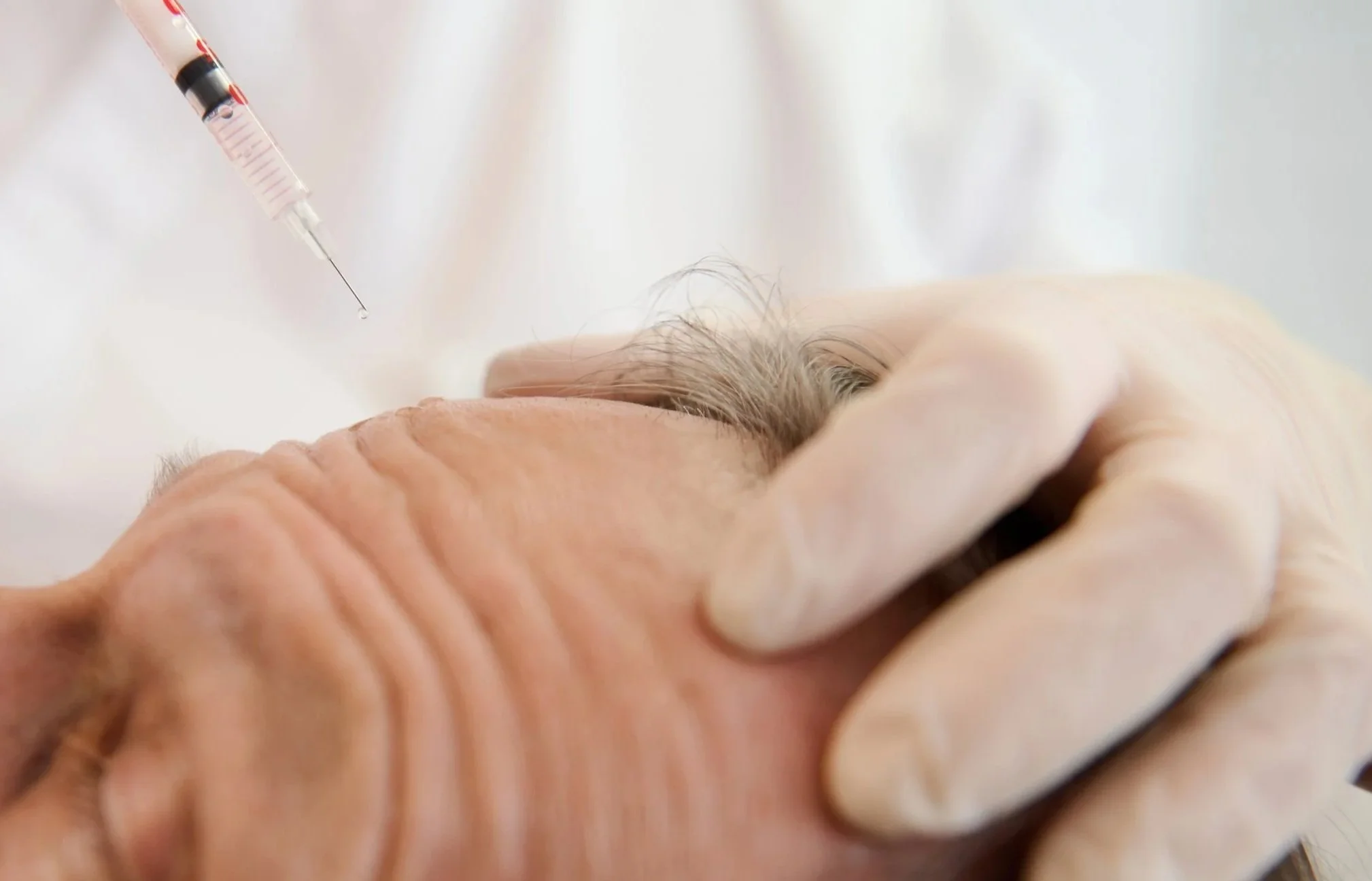
Anti-wrinkle treatment helps relax muscles, reducing facial lines and wrinkles
Anti-wrinkle treatment
Anti‑wrinkle injections help to relax specific facial muscles. This softens dynamic lines created by expression (frowning, squinting, raising brows) while keeping natural movement.
At a Glance
Treatment time: Approximately 20–30 minutes
Sensation: Mild and brief
Downtime: Minimal for most patients
Best for: Dynamic expression lines and selected concerns caused by muscle activity
Common areas: Frown lines, forehead and crow's feet
Results begin: Usually within several days
Full effect: Commonly assessed at around 2 weeks
Duration: Often approximately 3–4 months, although this varies
Maintenance: Treatment can be repeated when appropriate
Consultation: Required to assess suitability and develop an individual treatment plan
Compliance note (UK): Botulinum toxin is a prescription‑only medicine (POM). We provide information below; any decision to prescribe is made after a face‑to‑face medical consultation. Marketing of POMs to the public is not permitted; therefore, we do not promote brand names or make inducements to purchase.
How Do Anti-Wrinkle Injections Work?
Many facial lines develop because the muscles underneath the skin repeatedly contract when we smile, frown, concentrate or raise our eyebrows.
Anti-wrinkle injections use botulinum toxin, commonly referred to as Botox®, to temporarily reduce the activity of carefully selected muscles.
When muscle activity is reduced, the overlying skin is repeatedly folded less strongly, allowing expression lines to soften.
The objective is not necessarily to stop every muscle from moving. Careful treatment involves understanding which muscles should be relaxed, how much they should be relaxed and how this may affect the balance of the surrounding muscles.
What Areas Can Anti-Wrinkle Treatment Target?
Botulinum toxin can be used for considerably more than forehead lines.
Depending on your anatomy and treatment goals, areas may include:
Frown Lines
The vertical lines between the eyebrows are caused by muscles that pull the brows inward and downward. Carefully placed treatment can soften these lines and reduce an overly tense or tired appearance.
Forehead Lines
Horizontal forehead lines occur when the frontalis muscle raises the eyebrows.
The forehead requires particularly careful assessment because this muscle also helps maintain brow position. Over-treatment can make the forehead feel heavy or alter the brow shape.
Crow's Feet
Lines around the outer eyes develop through repeated smiling and squinting. Treatment can soften these lines while maintaining natural expression.
Brow Lift
Strategic treatment of selected muscles around the brows may create a subtle lifting effect in appropriate patients.
Bunny Lines
Small lines appearing across the sides of the nose when smiling or scrunching the nose can sometimes be treated.
Gummy Smile
In suitable patients, small amounts of botulinum toxin can reduce excessive elevation of the upper lip when smiling.
Downturned Mouth
The muscles pulling the corners of the mouth downward can sometimes contribute to a sad or downturned appearance and may be treated following assessment.
Chin Dimpling
Overactivity of the mentalis muscle can create dimpling or a cobblestone appearance of the chin. Treatment can help relax this activity.
Masseter / Jawline
Botulinum toxin can be used in selected patients with prominent masseter muscles to reduce muscular bulk and gradually create a slimmer lower-face appearance.
Neck & Platysmal Bands
Visible platysmal bands and certain muscular changes affecting the lower face and neck may also be treated in suitable patients.
Dynamic vs Static Wrinkles: What's the Difference?
Not every wrinkle should be treated in the same way.
Dynamic lines appear predominantly when you move your face — for example, forehead lines when raising your eyebrows or crow's feet when smiling.
These are generally the lines that respond most directly to anti-wrinkle injections.
Static lines remain visible even when your face is relaxed. Over time, repeated movement, collagen loss, sun exposure and changes in skin quality can cause previously dynamic lines to become more established.
Anti-wrinkle treatment may soften these lines, but deeper static wrinkles may also benefit from treatments focused on skin quality and collagen stimulation. This is why treating the muscle isn't always the complete answer.
Why Full-Face Assessment Matters
Your facial muscles don't work independently. Some muscles lift, while others pull downward. Relaxing one muscle changes the balance between it and the surrounding muscles. This is why simply injecting every visible line can sometimes produce an unnatural result.
For example, the forehead muscle helps elevate the eyebrows. Excessive relaxation may cause heaviness, particularly in someone who naturally relies on their forehead to maintain their brow position. Similarly, treatment of the lower face requires an understanding of how multiple small muscles interact to control the smile, mouth and jawline.
At Aesculus Clinic, Anti-Wrinkle Treatment in New Malden therefore begins with assessment of your face both at rest and during movement. We want to understand what your muscles are doing before deciding where, or whether, treatment is appropriate.
Preventative Anti-Wrinkle Treatment: When Should You Start?
There is no particular age at which everyone should start anti-wrinkle injections. However, most patients do not need anti-wrinkle treatment until their late 20’s or early 30s generally. Some patients may start even in their 40’s.
Younger patients sometimes consider treatment when expression lines begin to remain visible after the face has relaxed. Reducing repeated strong muscle contraction may help slow the progression of certain dynamic lines into more established lines. However, preventative treatment doesn't mean eliminating facial movement from a young age.
Your genetics, facial anatomy, expressions, sun exposure, skincare and personal preferences all matter. We treat the individual, not their age.
Anti-Wrinkle Treatment & Healthy Ageing
Wrinkles are only one part of facial ageing. As we age, changes also occur in the skin, collagen, fat compartments, muscles and underlying facial structure.
A perfectly smooth forehead alongside significant changes elsewhere in the face doesn't necessarily create a younger or more harmonious appearance.
For this reason, our approach considers your face as a whole. Depending on what we identify, your longer-term treatment plan may incorporate:
Skin boosters for hydration and skin quality
Polynucleotides for regenerative skin support
Microneedling for collagen stimulation and texture
PRP as part of a regenerative approach
Chemical peels for pigmentation and surface skin quality
Dermal fillers where volume loss or structural support is the primary concern
Hydrafacial as part of ongoing skin health and maintenance
This doesn't mean you need multiple treatments. Sometimes anti-wrinkle treatment alone is appropriate. The aim is to treat what actually needs treating, rather than treating everything simply because we can.
Results
Frequently Asked Questions
-
Our dosing aims for soft, natural movement—we avoid over‑treating. We believe natural results are the best results.
-
Expect changes from day 3–7, with full effect at 2 weeks.
-
Typically anti-wrinkle treatment lasts for 3-4 months. Longevity varies depending on dosing, muscles injected and individual characteristics.
-
Yes, absolutely! We often recommend combining anti-wrinkle treatment with skin boosters to achieve the best results. While anti-wrinkle treatment will work on muscles, skin boosters can enhance the quality of the skin. This combined approach delivers the best outcome.
-
We offer a clinical review at 2 weeks; small adjustments can be made when indicated. Top-ups are included.
Anti-Wrinkle Treatment in New Malden
At Aesculus Clinic, Anti-Wrinkle Treatment in New Malden focuses on understanding your facial anatomy and movement to create subtle, balanced results while preserving your natural expression.
Whether your concern is forehead lines, frown lines, crow's feet or another area of facial muscle activity, your treatment is individually assessed and planned with a focus on natural results, facial balance and long-term healthy ageing.
Anti-wrinkle treatment in New Malden | Anti-wrinkle treatment in Kingston | Anti-wrinkle treatment in Wimbledon | Anti-wrinkle treatment Worcester Park | Anti-wrinkle treatment Richmond | Anti-wrinkle treatment Cheam | Anti-wrinkle treatment Raynes Park