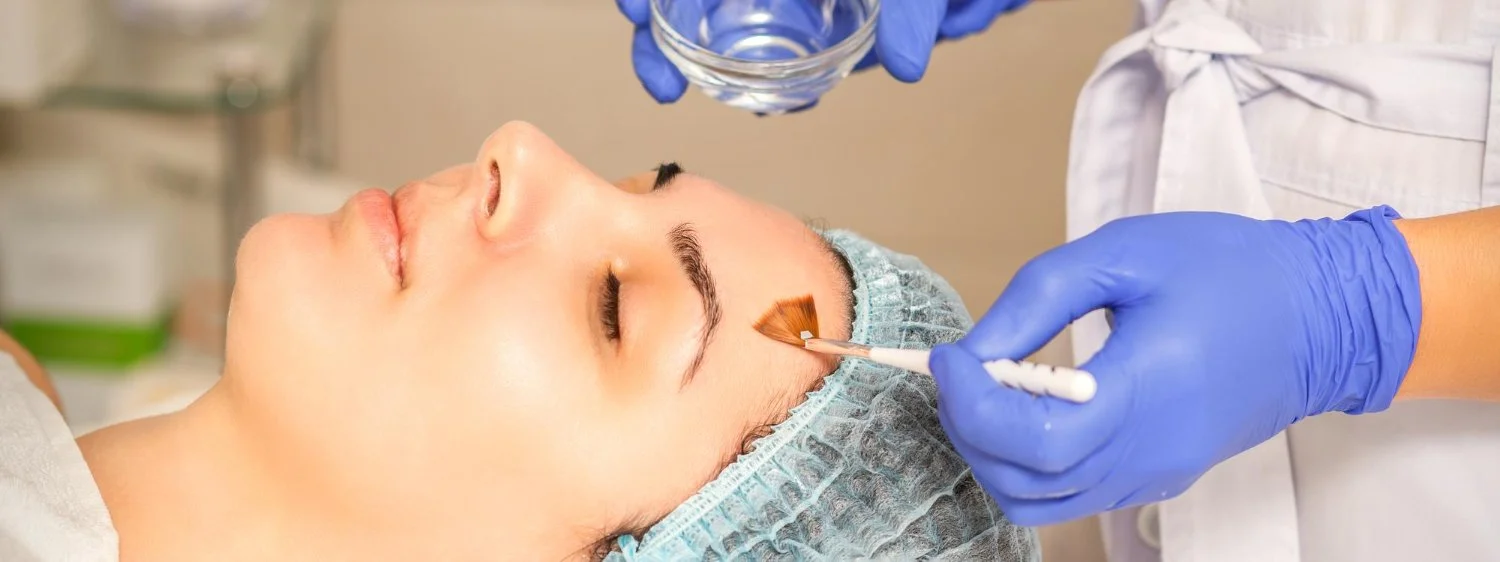
Chemical Peels
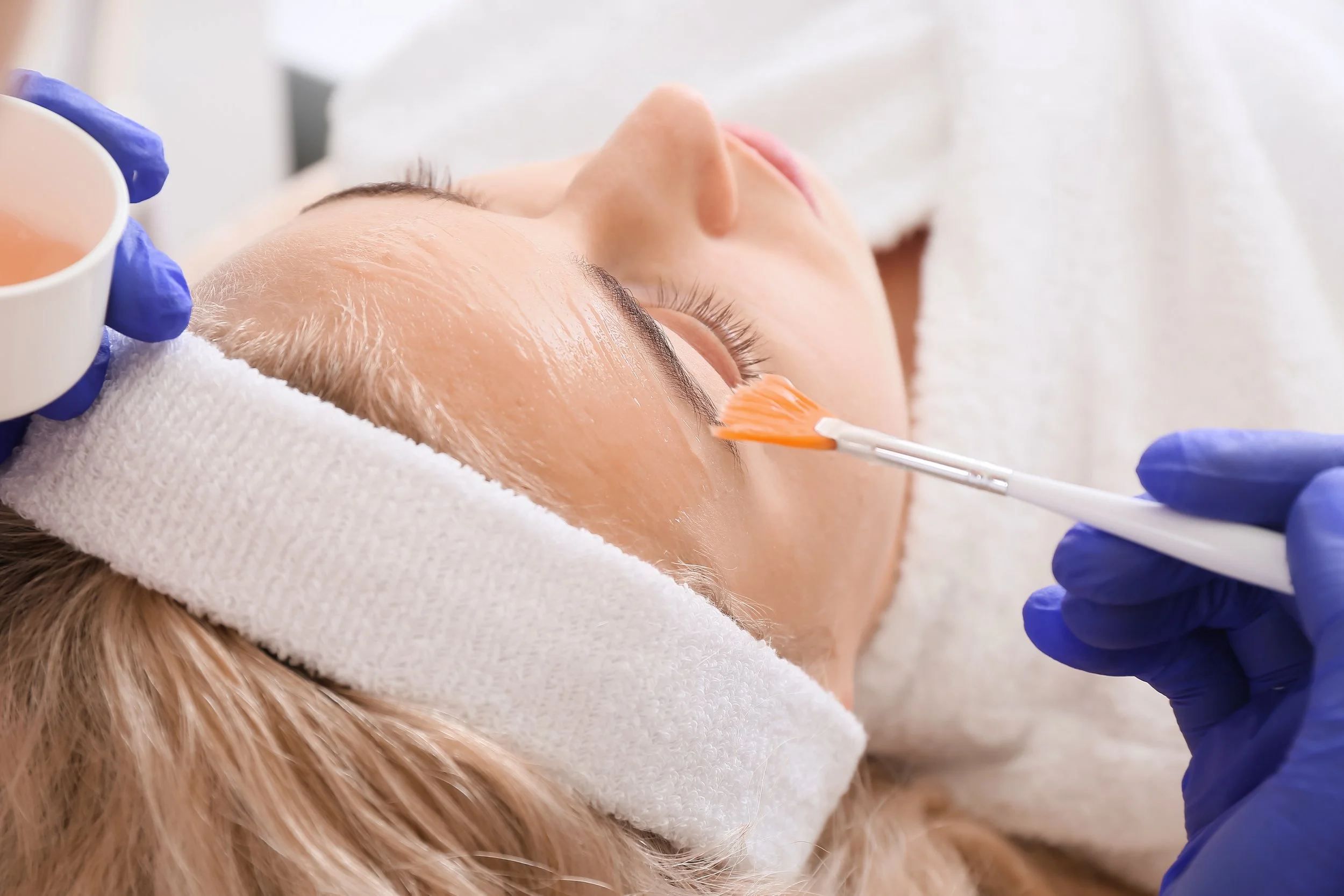
At a Glance
Treatment time: 30–45 minutes
Anaesthesia: None
Sensation: Tingling/warmth
Downtime: From none (superficial) to 3–7 days flaking (medium)
Results: More even tone, refined pores, smoother texture
Course: 3–6 sessions, 2–4 weeks apart; seasonal maintenance
Best for: Acne‑prone skin, pigmentation, sun damage, dullness
How peels work
Controlled application of acids (e.g., salicylic, lactic, glycolic, mandelic, TCA) to dissolve bonds between dead cells, increasing skin cell turnover and removing outer skin layer.
This helps to reveal a more youthful glowing and refined skin. This helps with acne, pigmentation, fine lines and wrinkles and textured skin.
Depending on the time of peel, some peels can be left on the skin for up to 12 hours. Always confirm with your practitioner. Most peels are removed in clinic while others can be removed at home.
Tailored protocols
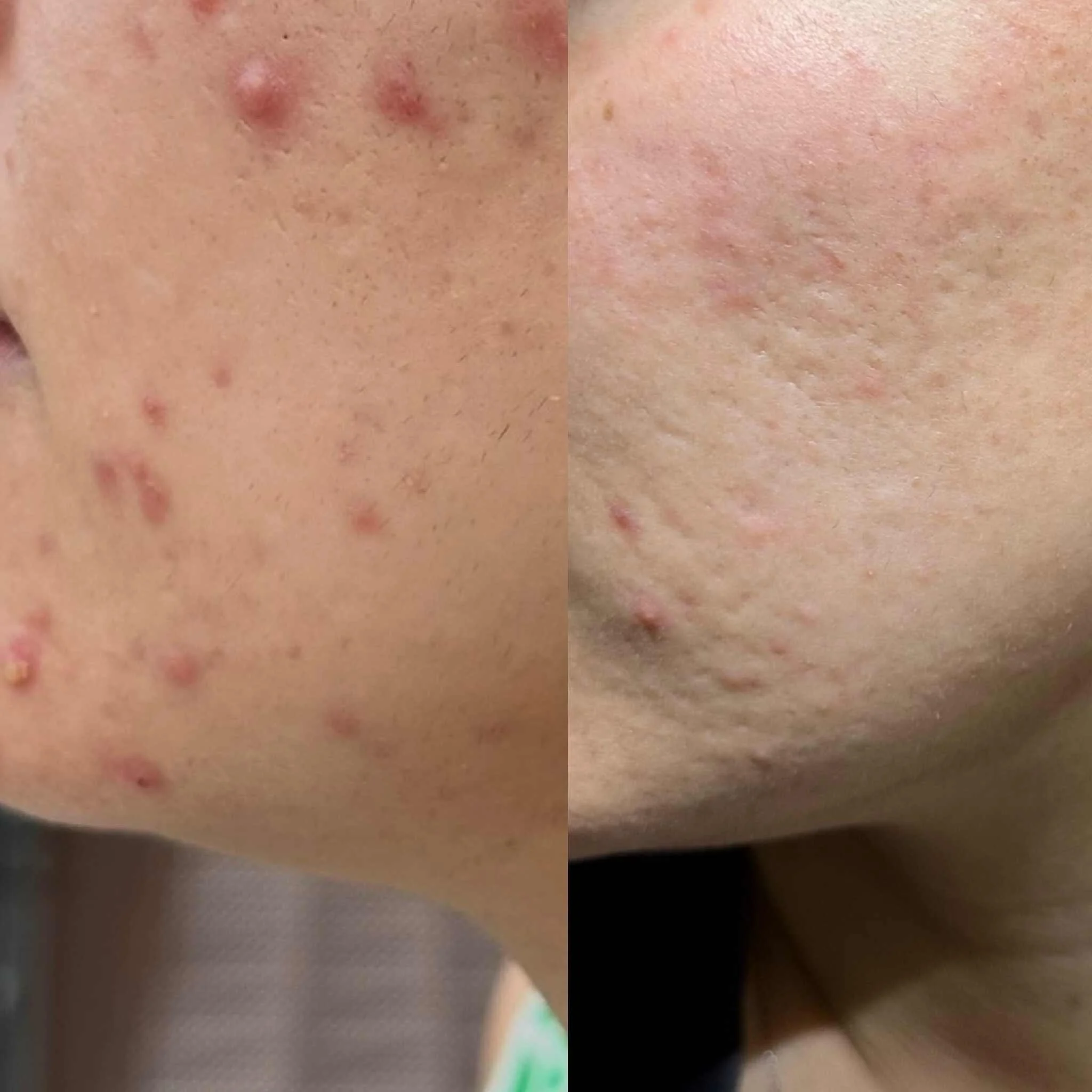
Acne Peels for congestion/acne‑prone skin
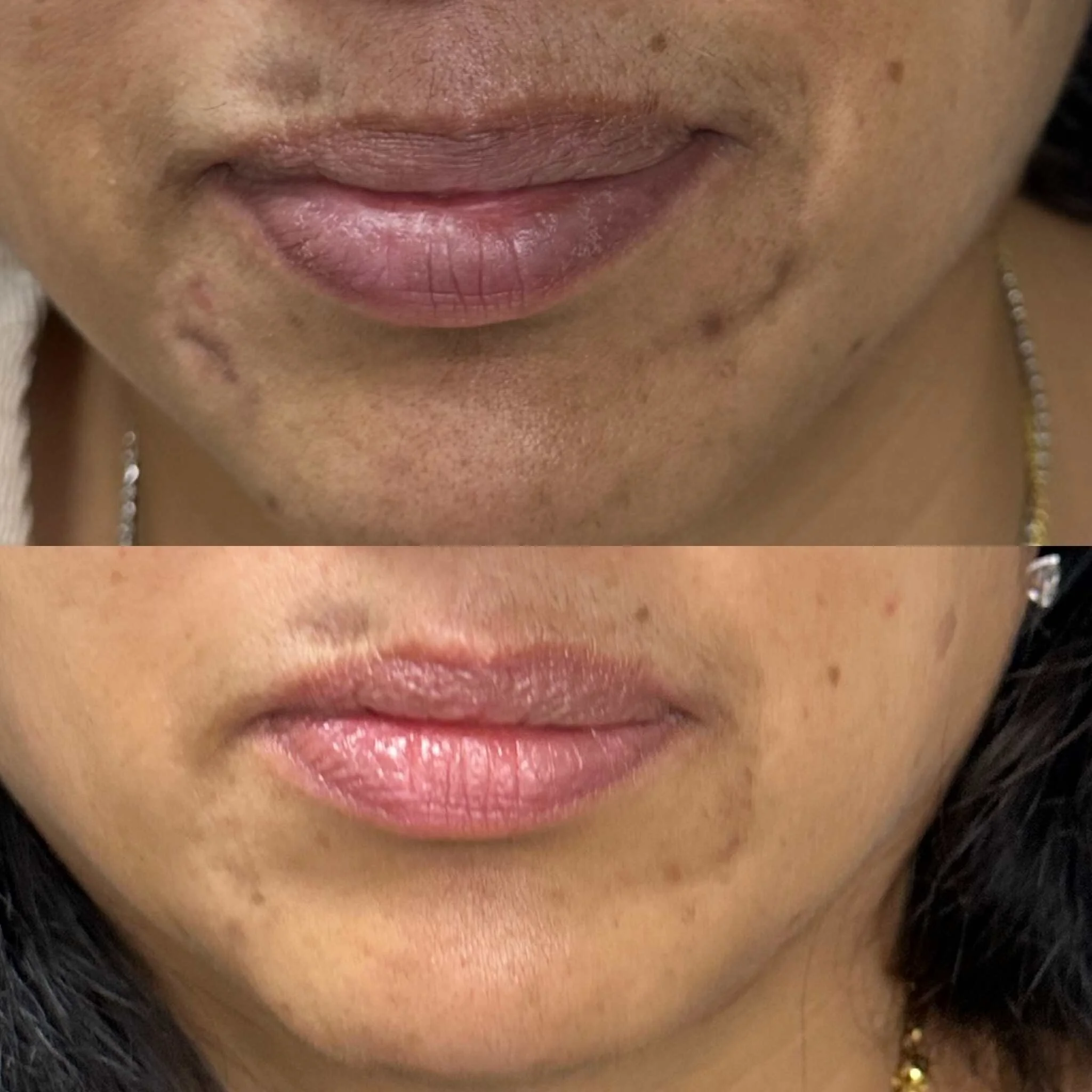
Brightening peels for pigmentation/melasma (with careful prep)
Rejuvenation peels for texture and fine lines
Aftercare
Avoid active ingredients such as retinoids and vitamin C for 3-7 days.
Avoid heat until skin has fully settled.
Avoid exercise for 24-36 hours.
Avoid picking the peeled skin as this will cause post inflammatory problems.
Apply SPF 50+ regularly
Results
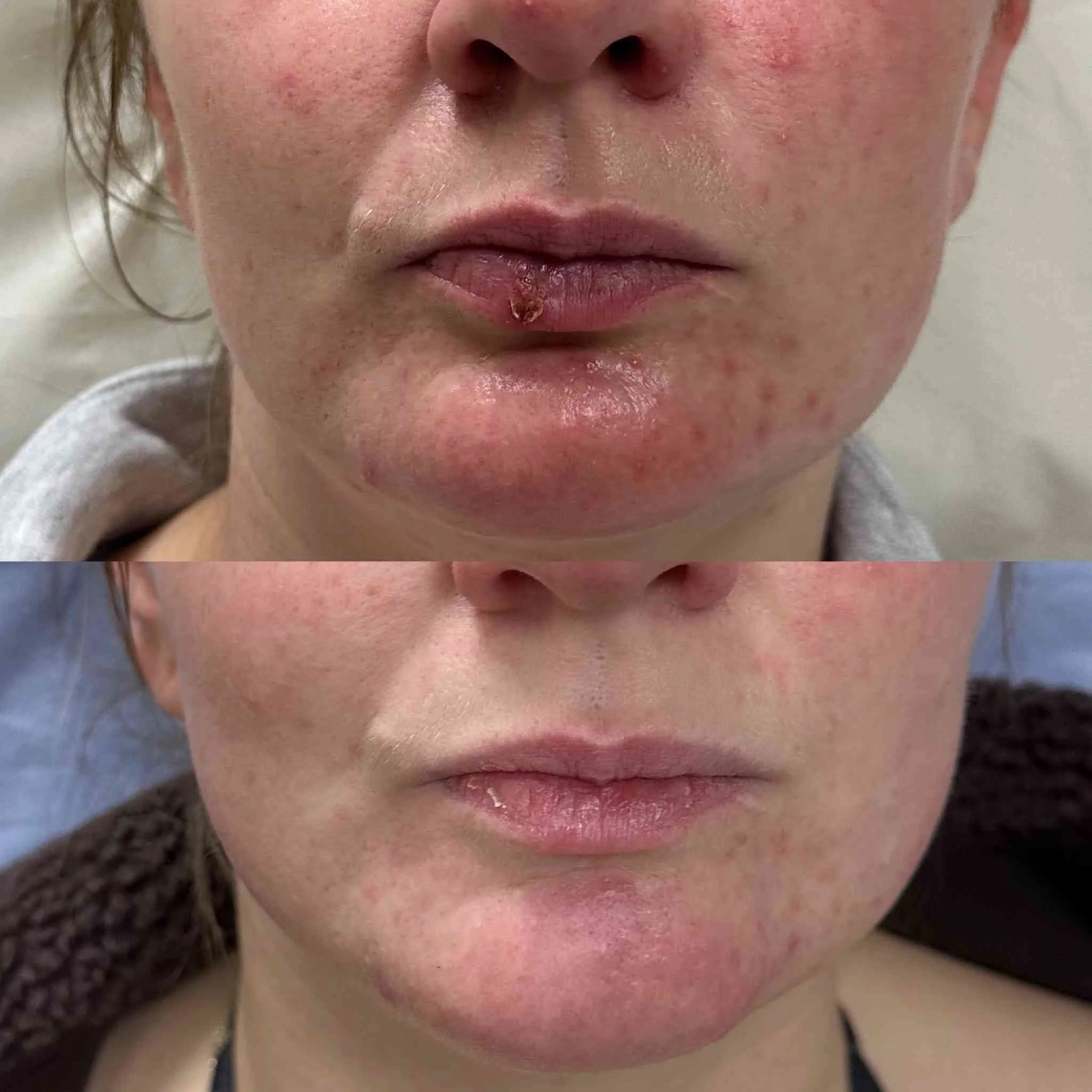
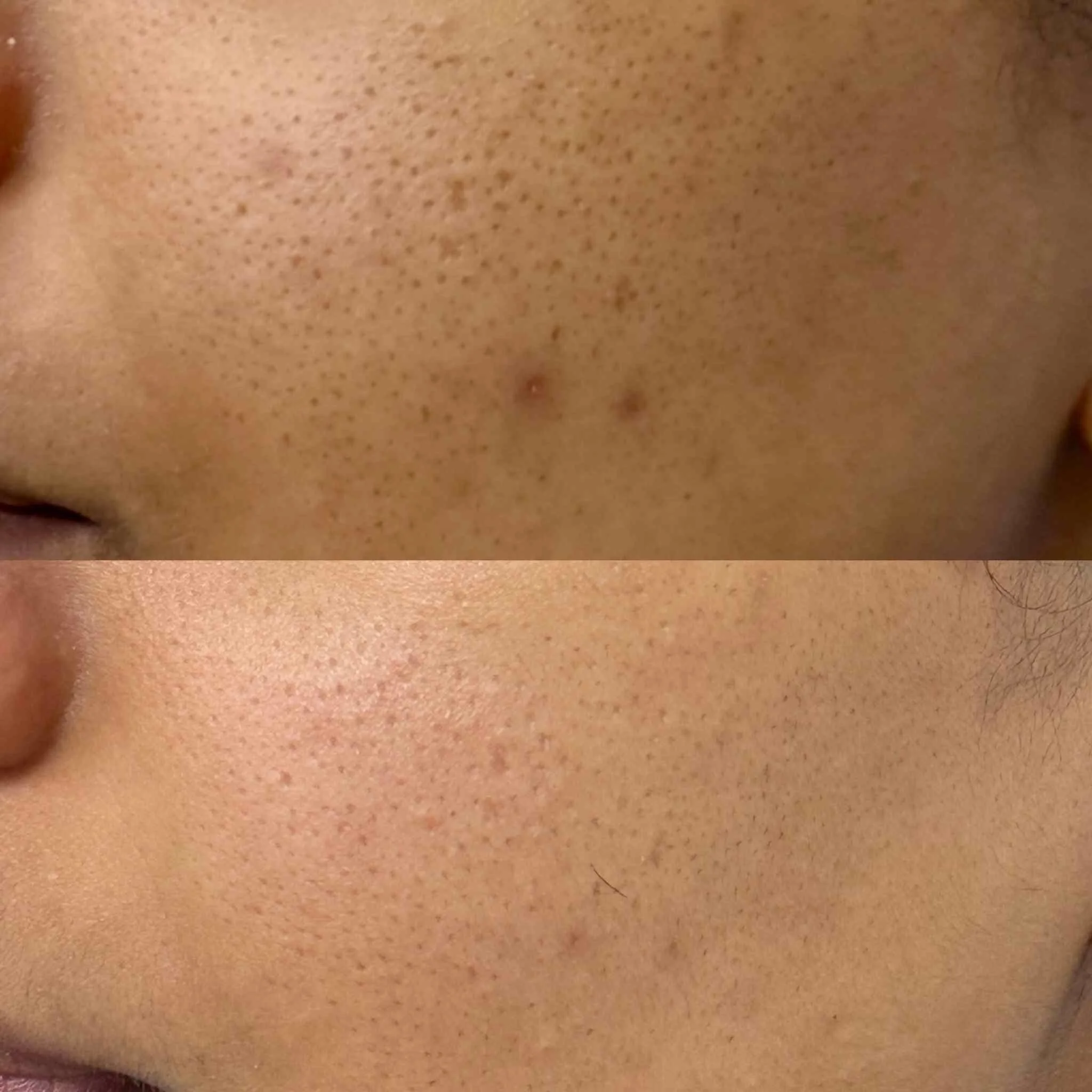
Frequently Asked Questions
-
Not always—“no‑peel” superficial options exist.
-
Yes with appropriate formulas and prep; your clinician will tailor safely.
-
It depends on your skin type and the pigment type, how long you have had it and where the pigment actually sits. Superficial mild peels do not require a preparation period where as stronger ones do.
-
Yes absolutely. Chemical peels can be mixed with other treatments such as anti-wrinkle treatment, HydraFacial, skin boosters and microneedling.
-
The number of sessions depends on the type of pigmentation you have and the type of peel used. For most peels, noticeable results require a minimum of 3 sessions.