
Dermal Fillers
At a Glance
Treatment: Hyaluronic acid dermal filler
Best for: Volume loss, facial balancing, contouring and selected lines
Common areas: Lips, cheeks, chin, jawline, temples, nose and lower face
Treatment time: Usually 30–60 minutes depending on areas treated
Anaesthetic: Most fillers contain local anaesthetic; additional numbing may be used
Downtime: Usually mild swelling or bruising for several days
Results: Visible immediately, with settling over the following days to weeks
Longevity: Varies by area, product and individual metabolism
Consultation: Required before treatment
Approach: Conservative, personalised and anatomy-led
What Are Dermal Fillers?
Dermal fillers are injectable products used to add or restore volume within specific areas of the face. Many commonly used fillers are made from hyaluronic acid, a substance naturally found within the body that helps attract and retain water.
Different fillers have different characteristics. Some are softer and designed for areas requiring movement and flexibility, while others provide greater structure and support.
This means choosing the right filler isn't simply about choosing a brand. The product needs to suit:
The area being treated
Your anatomy
The depth of injection
The amount of support required
The movement of the area
The result you are trying to achieve
Successful filler treatment depends as much on assessment, product selection and injection technique as it does on the filler itself.
Dermal Fillers in New Malden
Dermal fillers can be used to restore lost volume, improve facial proportions and support areas of the face where ageing or anatomy has created imbalance.
At Aesculus Clinic, our approach to Dermal Fillers in New Malden is focused on subtle, natural-looking enhancement rather than changing the way you look. We assess the face as a whole, considering facial structure, symmetry, proportions, skin quality and how different areas work together before recommending treatment.
This may involve treating one carefully selected area or, in some cases, using a full-face or profile-balancing approach to create a more harmonious result. The aim is not to make you look "filled". It is to help you look refreshed, balanced and still completely like yourself.
Why Do Faces Lose Volume With Age?
Facial ageing is not caused by one thing. Over time, changes occur in:
Skin
Collagen and elastin
Facial fat compartments
Ligaments
Muscle
Bone structure
This can contribute to changes such as:
Flatter or less supported cheeks
Deeper folds
Changes in the jawline
Increased jowling
Hollowing around the temples
Changes around the mouth
Reduced chin projection
A more tired appearance
Dermal fillers can sometimes restore selected areas of support or volume, but they shouldn't be expected to correct every sign of ageing. Good treatment starts by identifying which layer of the face is actually causing the concern.
Natural-Looking Dermal Fillers
One of the biggest concerns patients have about filler is looking unnatural or overfilled. This usually happens when treatment focuses on adding volume without considering the overall face.
Our philosophy is different.
We aim to use the smallest appropriate amount of product in the right anatomical areas. That may mean advising against treating an area if adding filler would make the face heavier or less balanced.
Sometimes the best filler treatment is actually less filler. The goal is not to create obvious change. It is to create a result where people may notice that you look fresher or more balanced without immediately knowing why.
Full-Face Assessment & Facial Balancing
Treating one facial feature in isolation can sometimes create imbalance. For example, a patient requesting more lip volume may actually benefit more from subtle improvement in the chin or profile. Similarly, placing excessive filler into the lower face without assessing mid-face support may make the face appear heavier. This is why we look at the relationship between different areas of the face.
During your consultation, we may consider:
Facial proportions
Profile
Chin projection
Cheek structure
Jawline
Lip proportions
Nose-to-chin relationship
Lower-face support
Facial symmetry
This allows us to recommend treatment based on the overall face rather than simply treating the area that first caught your attention.
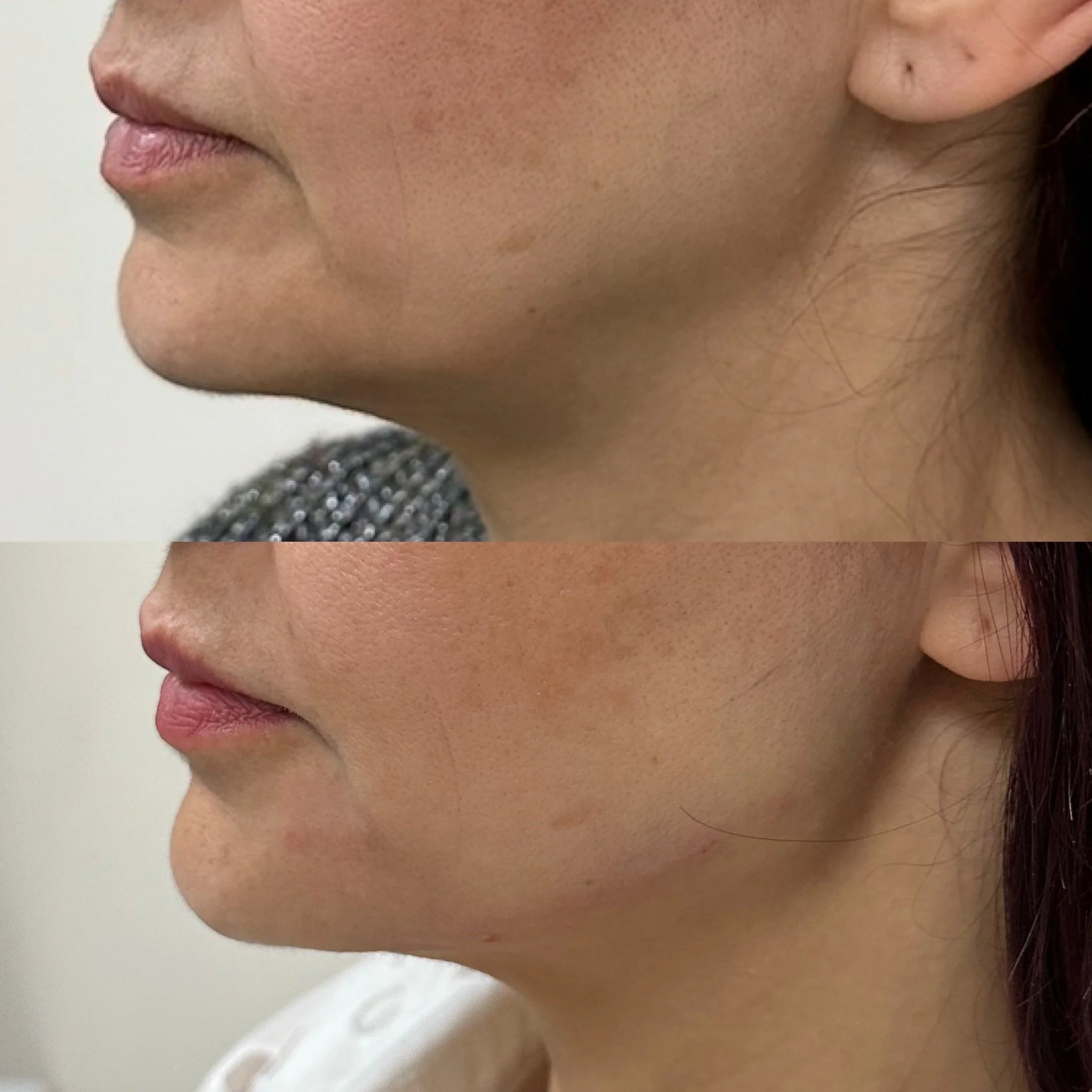
Profile Balancing With Dermal Fillers
Profile balancing uses dermal filler strategically to improve the relationship between facial features when viewed from the side. Depending on your anatomy, this may include areas such as:
Chin
Lips
Nose
Jawline
Cheeks
A small adjustment in one area can sometimes create a much greater improvement than adding larger amounts elsewhere. For example, improving chin projection can influence the perceived balance between the nose, lips and lower face.
The purpose of profile balancing isn't to create identical proportions in everyone. It is to work with your existing features and facial identity.
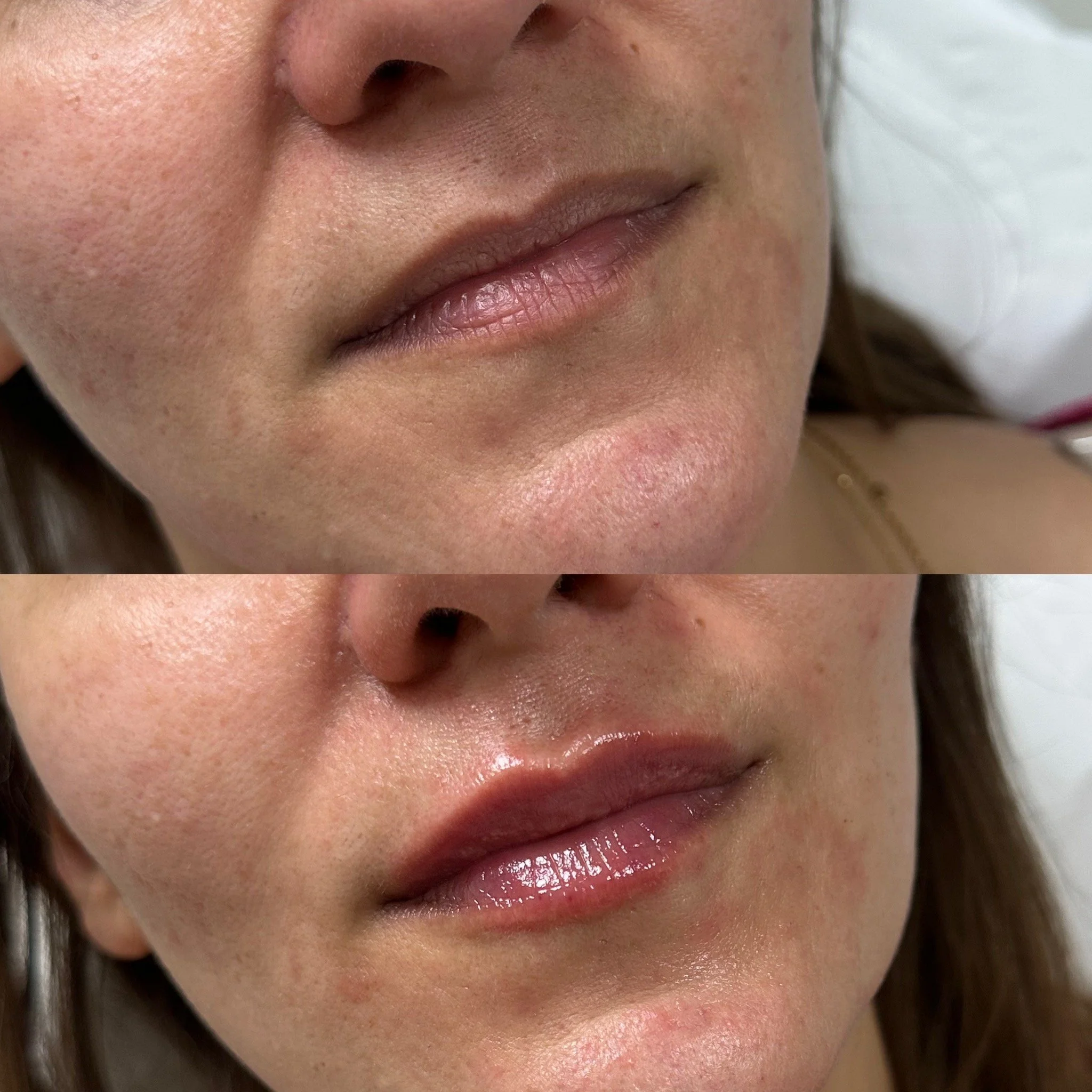
Lip Filler
Lip filler can be used for much more than simply increasing lip size. Depending on your anatomy and goals, treatment may aim to improve:
Lip hydration and definition
Lip shape
Symmetry
Border definition
Cupid's bow
Vertical lip height
Proportion between upper and lower lips
Age-related loss of lip volume
The amount of product needed varies greatly. Some patients want subtle restoration while others would like more noticeable enhancement. We prefer to build results gradually where appropriate rather than attempting to create dramatic volume in one appointment. The aim should be balanced lips that suit the rest of your face.
Cheek Filler
Cheek filler can be used to restore or enhance mid-face structure. With age, changes in bone, fat and soft tissue can reduce facial support.
Carefully placed cheek filler may help improve:
Mid-face volume
Facial contour
Cheek projection
Balance between the upper and lower face
Overall facial support
However, overfilling the cheeks can make the face look wider or heavier. This is why treatment should focus on strategic support rather than simply adding volume.
Chin Filler
The chin has a surprisingly important role in overall facial balance. Chin filler may be considered to improve:
Chin projection
Chin shape
Side profile
Lower-face proportions
Symmetry
Relationship between the lips, nose and jawline
Even relatively small amounts of filler can sometimes create a significant improvement in facial proportions. Chin treatment is often incorporated into profile balancing rather than treated as an isolated feature.
Jawline Filler
Jawline filler may be used to improve definition and support within selected areas of the lower face. It can sometimes help with:
Jawline definition
Facial proportions
Lower-face contour
Chin-to-jawline transition
Selected areas of age-related structural change
However, filler is not always the best treatment for jowling. If the main issue is significant skin laxity, tissue descent or heaviness within the lower face, adding more filler may not produce the desired result. Assessment is therefore essential.
Non-Surgical Rhinoplasty
Dermal filler can also be used to make selected changes to the appearance of the nose without surgery. Depending on anatomy, filler may help:
Improve the appearance of a dorsal hump
Smooth selected irregularities
Improve profile balance
Adjust the appearance of nasal shape
Create the appearance of a straighter profile
It is important to understand that filler adds volume. It cannot physically make a large nose smaller.
Non-Surgical Rhinoplasty in New Malden Nose Filler in New Malden
Dermal Filler vs Skin Boosters
Dermal fillers and skin boosters are both injectable treatments, but they have very different purposes.
Dermal fillers are primarily used for structure, volume and facial contour.
Skin boosters are primarily designed to improve hydration and skin quality without significantly changing facial shape.
If your main concern is facial volume loss or proportion, filler may be appropriate. If your main concern is dehydration, crepey texture or declining skin quality, a skin booster may make more sense. Some patients benefit from both at different stages of a wider treatment plan.
Benefits of Dermal Fillers
Depending on the treatment area and your anatomy, dermal fillers may help:
Restore selected areas of facial volume
Improve facial proportions
Enhance chin projection
Improve lip shape and definition
Support mid-face structure
Improve jawline contour
Create better profile balance
Soften selected folds or shadows
Produce immediate visible improvement
Achieve subtle enhancement without surgery
Complement a wider healthy-ageing treatment plan
The extent of improvement varies between patients.
Frequently Asked Questions
-
There is no standard number of millilitres that every patient needs. Some concerns can be improved with relatively small amounts of filler.
Other full-face or profile-balancing treatments may require several millilitres distributed strategically across multiple areas.
One millilitre is a relatively small volume, so treatment planning should consider where the product will create the greatest benefit rather than focusing purely on the number of syringes. Where more volume is required, treatment may sometimes be staged over multiple appointments.
-
Longevity varies considerably according to the product, treatment area, amount used, individual metabolism and other factors. Some areas may retain improvement longer than others.
-
Improvement is visible immediately, but swelling can temporarily distort the result. The area usually needs time to settle before the final outcome can be assessed properly.
-
Our approach is conservative and based on facial proportions. The aim is to enhance your existing features rather than create an obviously filled appearance.
-
One millilitre is a relatively small volume. How noticeable it appears depends significantly on where it is placed.
-
Some discomfort is expected because treatment involves injections. Many hyaluronic acid fillers contain local anaesthetic, and additional numbing may be used depending on the area.
-
Hyaluronic acid fillers can generally be dissolved with hyaluronidase where clinically appropriate. Not all types of filler can be dissolved in this way.
Good filler should respect your face rather than compete with it. At Aesculus Clinic, Dermal Fillers in New Malden are planned according to your anatomy, proportions and individual goals.
Whether you are considering lip filler, cheek enhancement, chin or jawline filler, profile balancing or a more comprehensive full-face approach, our focus is on appropriate treatment, conservative product placement and results that remain natural.
Sometimes that means treating several areas strategically. Sometimes it means recommending less treatment than you expected. And sometimes it means telling you that filler isn't the right treatment at all. The goal is not more filler. It is better facial balance, appropriate support and a result that still looks like you.
Lip Filler in New Malden | Lip Filler in Kingston | Lip Filler in Wimbledon | Lip Filler in Raynes Park | Lip Filler in London | Lip Filler in Epsom | Cheek Filler in New Malden | Cheek Filler in Kingston | Cheek Filler in Wimbledon | Chin Filler in New Malden | Chin Filler in Kingston | Chin Filler in Wimbledon | Chin Filler in London
Frequently Asked Questions
-
We believe in natural results and enhancing your own beauty without making you look fake or puffy.
-
Yes—hyaluronidase can reverse HA fillers if clinically indicated.