The Most Common Treatments for Under-Eye Concerns: Benefits And Limitations
The under-eye area is one of the most delicate and expressive regions of the face. It is also one of the first places to show signs of fatigue, ageing, and stress, often prompting patients to seek aesthetic treatment earlier here than anywhere else.
Dark circles, hollowness, fine lines, puffiness, and crepey texture can all coexist, yet they arise from very different causes. As a result, there is no single “best” under-eye treatment , only the most appropriate one, chosen with precision.
At Aesculus Clinic, under-eye rejuvenation begins with understanding anatomy, skin quality, and lifestyle influences before any intervention is considered. This guide explores the most commonly requested treatments for under-eye concerns, alongside their positives and limitations, to support informed, confident decision-making.
Under-eye concerns are rarely caused by a single factor. Contributing elements may include:
Volume loss and skeletal changes
Thin, translucent skin
Pigmentation and vascular show-through
Lymphatic congestion and fluid retention
Reduced collagen and elastin
Because the skin here is thinner and more mobile than elsewhere on the face, treatments must be selected conservatively. Subtlety is not just aesthetic, it is essential for safety and longevity.
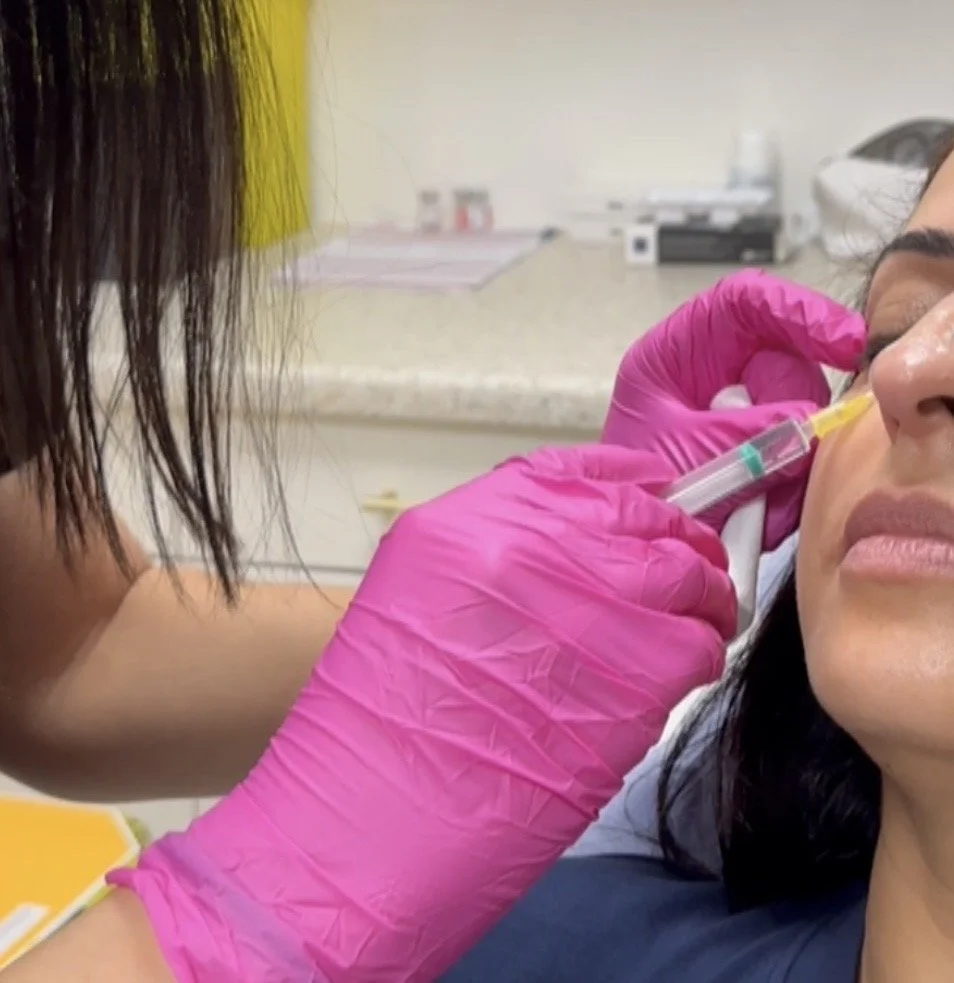
Hyaluronic Acid Dermal Filler for Tear Trough Hollows
Dermal filler is often associated with under-eye rejuvenation, particularly for tear trough hollowness where volume loss creates shadowing.
Positives
Immediate improvement in hollowness and shadowing
Can restore a smoother contour between the lower eyelid and cheek
Results can last 9–18 months when performed conservatively
Limitations
Not suitable for all under-eye concerns, especially puffiness or poor skin quality
Risk of swelling, fluid retention, or Tyndall effect if overused
Requires advanced anatomical expertise and careful patient selection
At Aesculus Clinic, under-eye filler is approached cautiously and only when volume loss is the primary concern — never as a default solution.
Polynucleotides and Regenerative Injectables for Skin Quality
Regenerative treatments such as polynucleotides focus on improving the biological health of the under-eye skin rather than altering structure.
Positives
Improve skin thickness, elasticity, and hydration
Particularly beneficial for crepey texture and fine lines
Low risk of overfilling or distortion
Suitable for patients not ideal for filler
Limitations
Results are gradual rather than immediate
Multiple sessions are usually required
Do not address significant hollowness or fat loss
These treatments align closely with our philosophy of strengthening the skin before considering structural change.
Skin Boosters for Hydration and Fine Lines
Skin boosters deliver hyaluronic acid in a light, diffuse manner to improve hydration and surface texture.
Positives
Enhance luminosity and smooth fine lines
Improve skin hydration without adding volume
Can be combined with other under-eye treatments
Limitations
Limited impact on pigmentation or hollowness
Results are subtle and require maintenance
Not suitable for very thin or highly reactive skin in all cases
When used selectively, skin boosters can refine the under-eye area without altering natural contours.
Energy-Based Treatments for Texture and Tightening
Devices such as radiofrequency or ultrasound aim to stimulate collagen through controlled thermal energy.
Positives
Non-injectable option
Can improve mild laxity and texture
Minimal downtime
Limitations
Results are modest and cumulative
Not effective for dark circles caused by pigmentation or vascular issues
Risk of irritation if skin is already compromised
These treatments are best suited to early concerns and as part of a broader skin health strategy.
Medical-Grade Skincare and Topical Treatments
Topical treatments remain an essential, though often underestimated, part of under-eye care.
Positives
Improve pigmentation, hydration, and fine lines over time
Support and prolong in-clinic treatment results
Non-invasive and preventative
Limitations
Require consistency and patience
Limited impact on deeper structural concerns
Retinoids and actives must be used cautiously in this area
Skincare is rarely sufficient alone but is critical in maintaining long-term under-eye health.
One of the most common misconceptions in aesthetics is that under-eye concerns have a universal solution. In reality, the most successful outcomes often involve a staged or combined approach, addressing skin health first, then structure if required.
If under-eye concerns are affecting how rested or confident you feel, a personalised consultation can clarify which treatments, if any, are appropriate. At Aesculus Clinic in New Malden, under-eye rejuvenation is guided by anatomy, evidence, and restraint, ensuring results that look natural, elegant, and unmistakably you.
Book a consultation to explore a thoughtful, tailored approach to under-eye concerns.
Under-Eye Treatments: FAQ
What is the best treatment for under-eye dark circles?
This depends on the cause: pigmentation, vascular show-through, or shadowing all require different approaches.
Is under-eye filler safe?
When performed by an experienced practitioner with careful patient selection, it can be safe, but it is not suitable for everyone.
Can under-eye treatments remove puffiness?
Puffiness often relates to fluid retention or fat pads and may not improve with filler. Other strategies are usually more appropriate.
Are regenerative treatments better than filler?
They are different. Regenerative treatments improve skin quality, while filler addresses volume loss.
How long do under-eye treatments last?
This varies by treatment, from several months to over a year, and depends on the individual and their lifestyle.
Can treatments be combined?
Yes. A layered, conservative approach often delivers the most refined results.